loading...


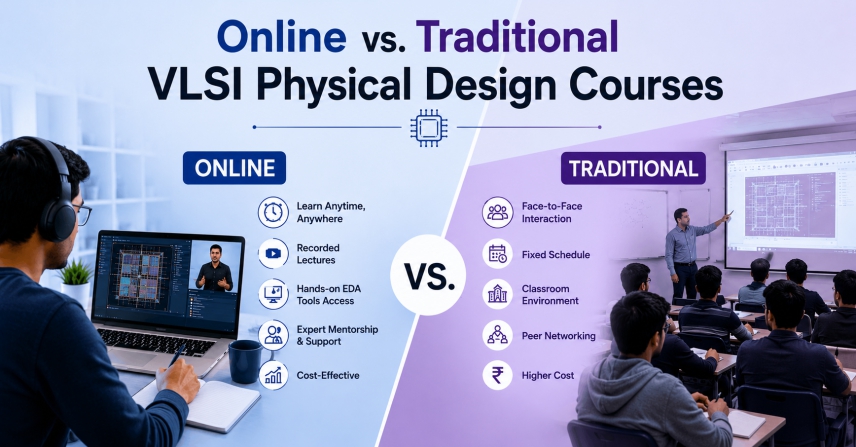
Increasingly, the world needs qualified physical design engineers as Very Large Scale Integration (VLSI) and semiconductor technology progress. It is vital that VLSI engineers and professionals make a decision when enhancing their skill set in this rapidly changing industry: Is it better to attend physical design courses in person or take advantage of online alternatives, which offer convenience and flexibility? Both options have their advantages and disadvantages. Let's explore them:
Traditional VLSI Course
Founded on established education and face-to-face interactions, the traditional approach continues to shape the next generation of skilled physical design engineers. The Traditional Physical Design Course has long been the cornerstone of academic excellence in VLSI physical design. Let's explore its pros and cons:
The Traditional VLSI Course presents the time-honored values of in-person education, with its focus on direct interactions, hands-on learning, and the cultivation of a supportive learning community. You must weigh these benefits against constraints to determine if this time-tested approach aligns with your individual aspirations and circumstances.
Online VLSI Course
.jpg.jpeg)
Pros of Taking the VLSI Course Online
Cons of the Online VLSI Course
Key Takeaways
 Verilog vs SystemVerilog - A Complete Guide for VLSI Learners
 How to Build a Killer VLSI Portfolio in College (5 Projects Every Student Should Do)
 RTL Design Best Practices That 90% of Freshers Ignore (But Companies Love)
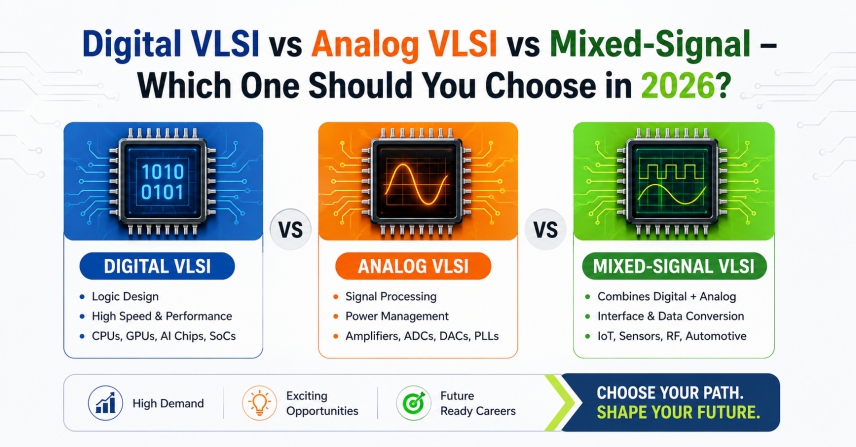 Digital VLSI vs Analog VLSI vs Mixed-Signal – Which One Should You Choose in 2026?
 Designing VLSI Circuits for Quantum Machine Learning Algorithms
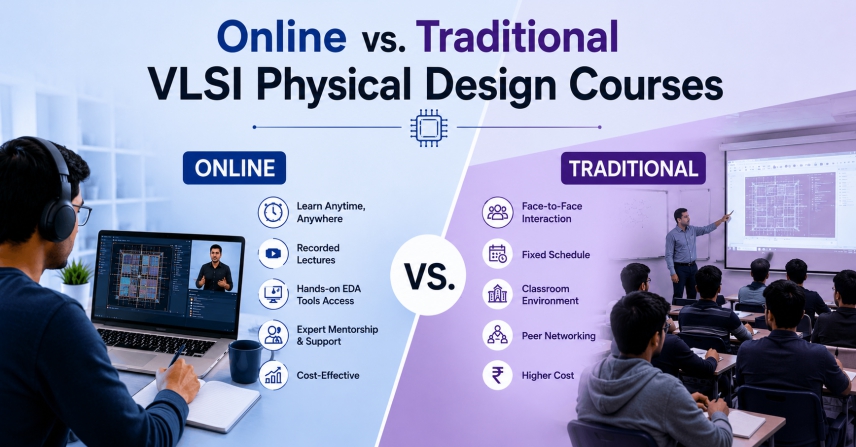 Online vs. Traditional VLSI Physical Design Courses: Pros and Cons
 Advances in VLSI Design for Artificial Intelligence Applications
 Choosing the Right VLSI Training Institute: Factors to Consider
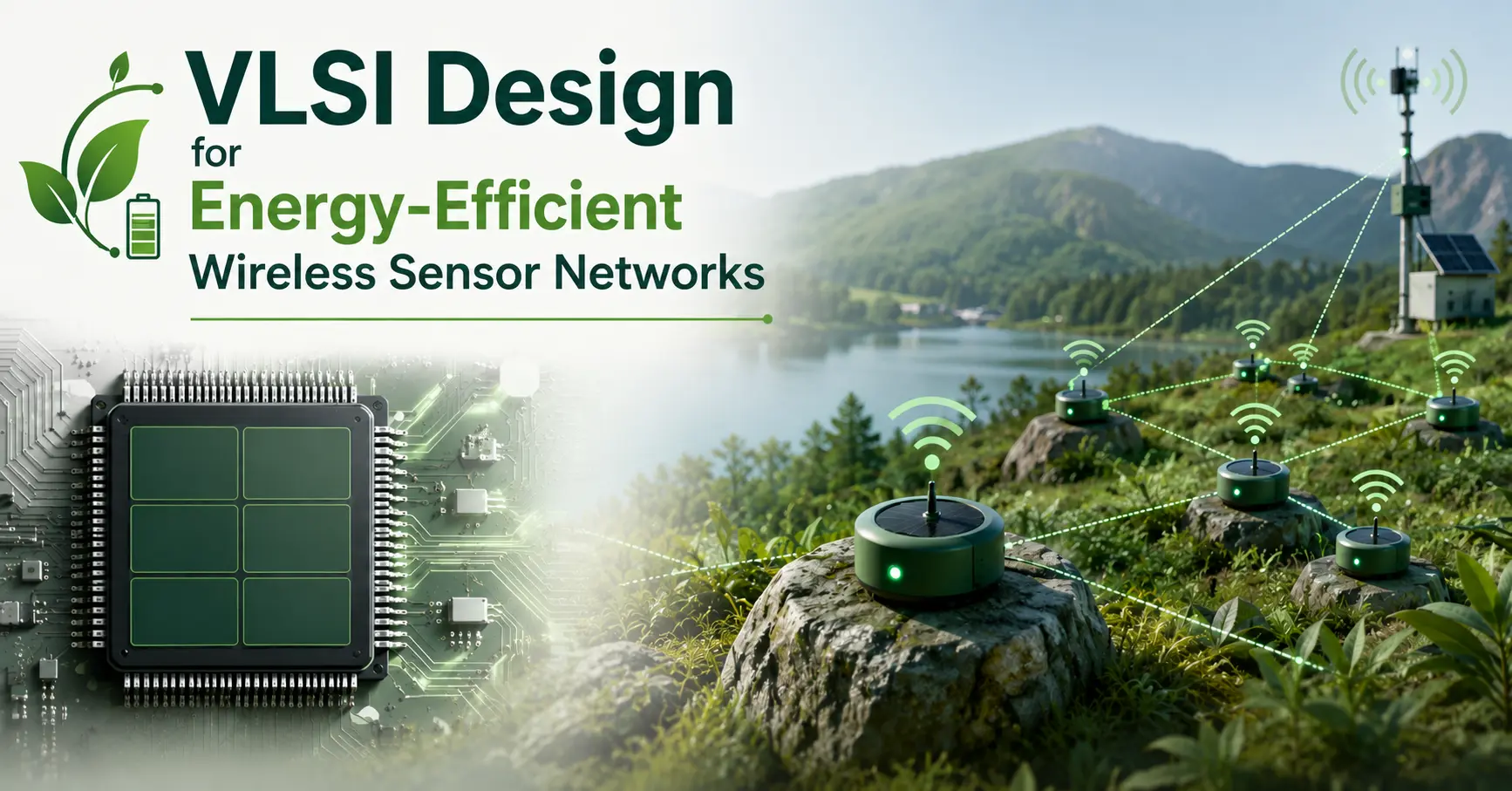 VLSI Design for Energy-Efficient Wireless Sensor Networks
 How to Become a VLSI Chip Designer: A Beginner's Roadmap for 2026
 A to Z on India, Japan & the Future of Semiconductor Industry: A New Chapter in Tech Collaboration
 RTL Design vs Physical Design: What's the Real Difference?
 The Future of the Semiconductor Industry: What Indian Students Should Know
 Top 7 Career Paths After Completing a VLSI Course
 Best Time Management Tips for Students Preparing for VLSI Careers
 Mastering VLSI Physical Design: A Comprehensive Course Overview
 The Complete FPGA and ASIC Guide
 Verilog Essentials: Mastering the Fundamentals of Hardware Description Language
 Unleashing the Power of System Verilog: A Comprehensive Guide for Aspiring Designers
 Demystifying VLSI chip Design: Exploring the Core Concepts of VLSI Courses
 Basics of VLSI - An Ultimate Guide
 Career Prospects After Completing A VLSI Course
 Top 5 Reasons To Take Up A Professional VLSI Course
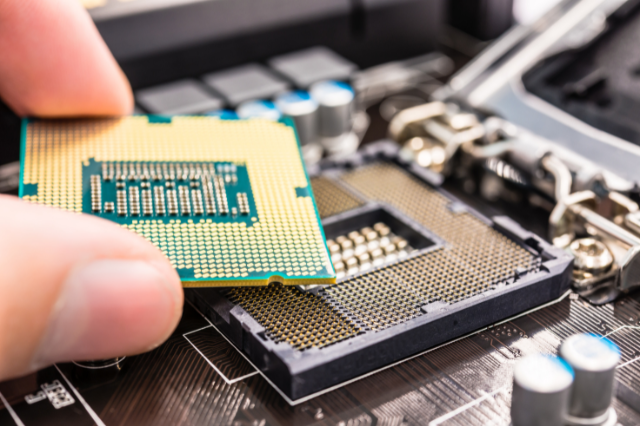 Mastering VLSI Design: A Comprehensive Guide To Understanding Complex Integrated Circuits
 Future-Proof Your Career With A VLSI Course: How Learning About Integrated Circuits Can Boost Your Job Prospects?
 System Verilog: An Overview
 Introduction to Hardware Description Language (HDL)
 Unlock The Potential Of VLSI Design With An Integrated VLSI Course Online
 Universal Verification Methodology:An Efficient Verification Approach
 How to Write a Verilog Module for Design and Testbench
 What Are the Different Career Paths in the VLSI Industry?